Articles
Writing on economics, policy, and the systems that sit behind the numbers. These pieces dig into how money is created, where public spending actually goes, what inflation measures miss, and why the gap between official statistics and lived experience keeps growing. Each article draws on the data and sources in the resource library.
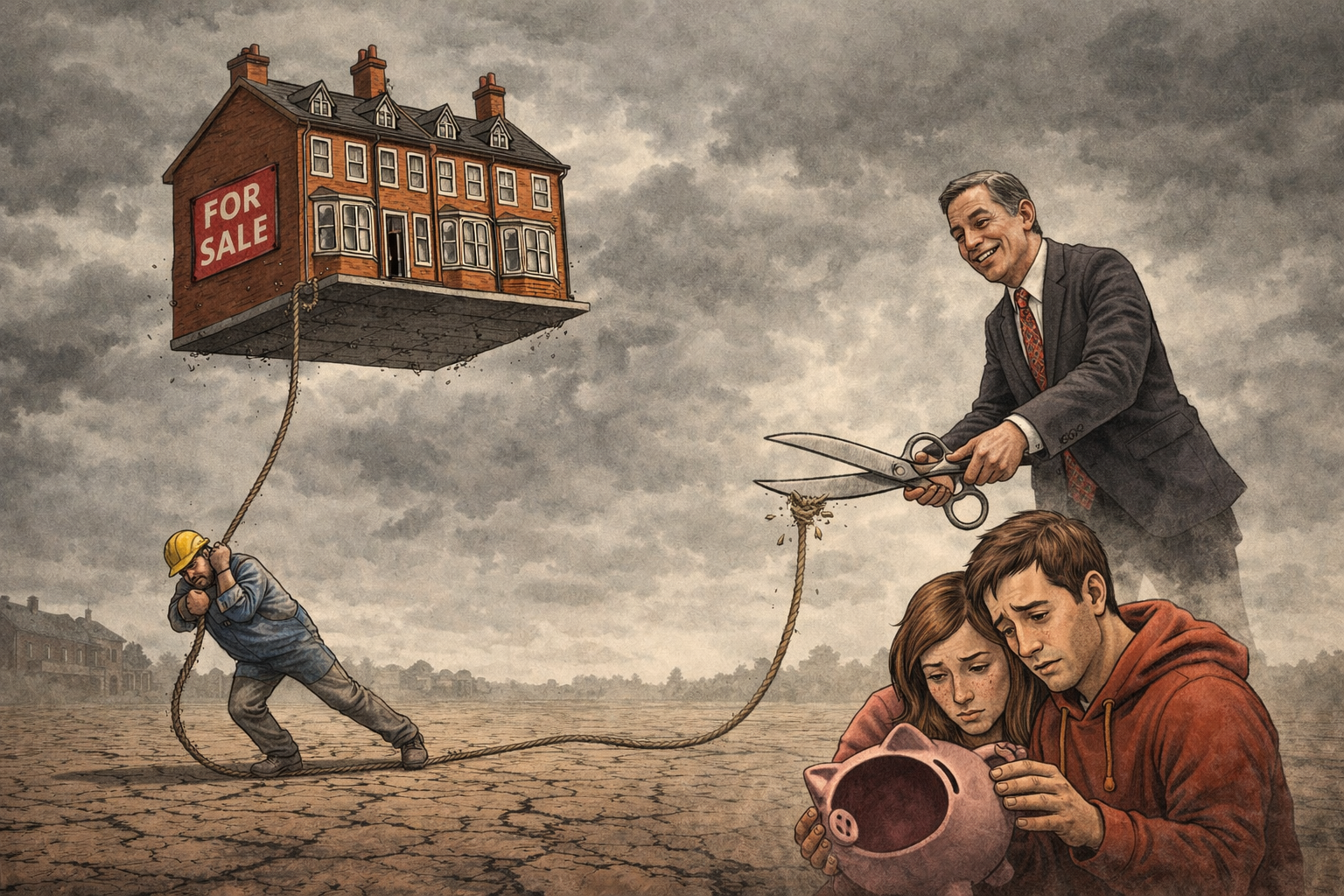
The House Always Wins
On Saturday, Rachel Reeves announced seven new towns and blamed three decades of housing unaffordability on the planning system. "For decades," she said, "this country's planning system has been a …

Radical Centrism - The most radical thing we can do is nothing
The European Scientific Advisory Board on Climate Change (ESABCC) published a report last month advising EU officials to prepare for a world 2.8 to 3.3°C hotter than preindustrial levels by …

The Deficit Obsession is Costing Us a Clear View of the Economy
It seems that whenever a government announces that they have run a deficit over a given financial period, media commentators and opposition politicians react with the same tired metaphors. We …
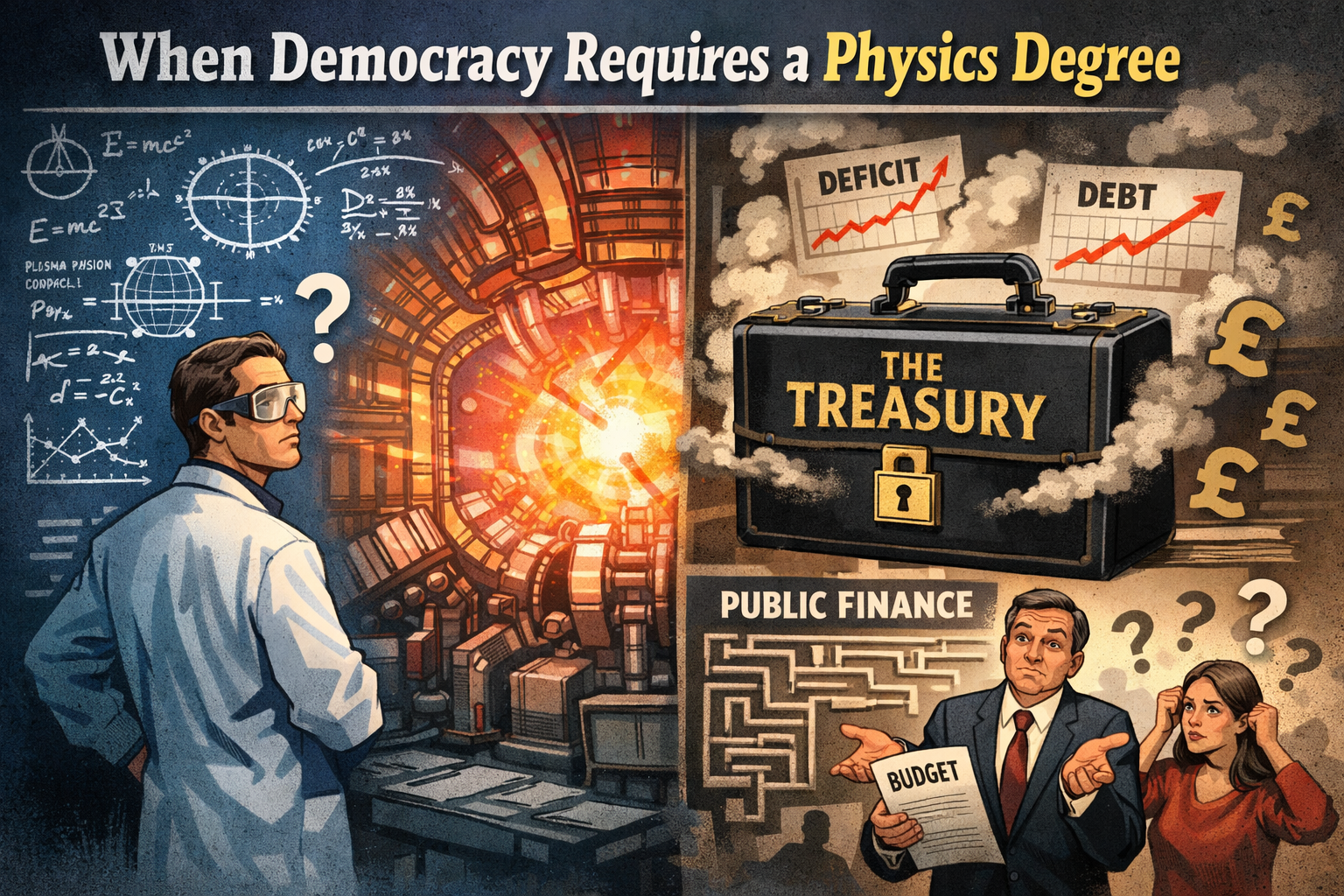
When democracy requires more than a physics degree
Last week I gave a talk on public finance, and during the Q&A at the end, a physicist in the audience who is working on fusion research said something along …

Shadows on the wall: The monetary myths that shape British politics
The Treasury tells us there is no money. The Bank of England tells us it operates independently. The OBR tells us the deficit must be closed. They have been projecting …

The vexed question of whether the UK can afford Modern Monetary Theory doesn’t even make sense
Modern Monetary Theory isn’t a potentially risky radical fiscal plan but simply a description of how the British state already spends